
How to Use a Circular Saw: A Beginner's Guide
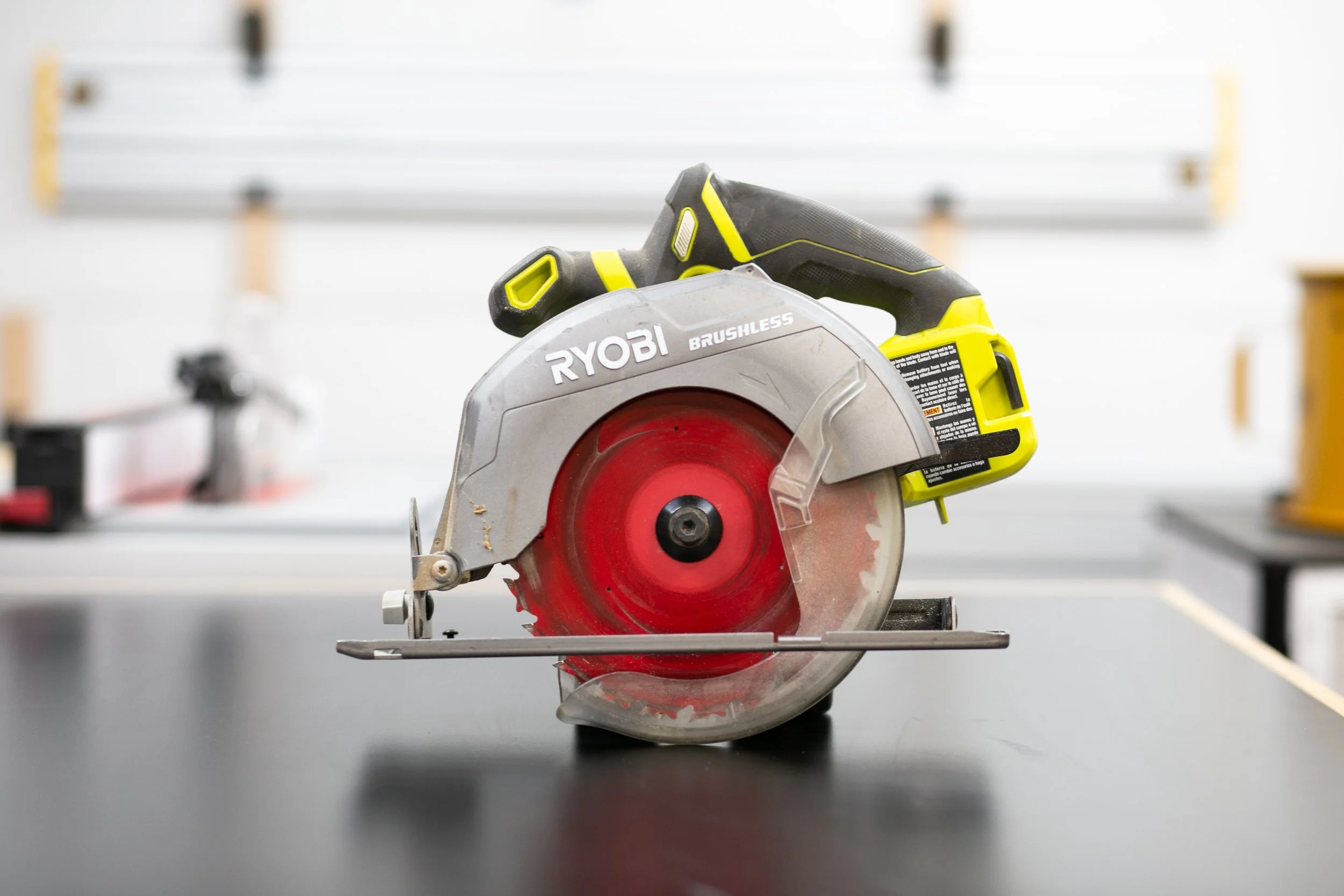
A circular saw is one of the most versatile and approachable power tools for DIYers. Whether you're building furniture, framing a wall, or trimming plywood, it’s a must-have in your tool collection. In this beginner-friendly guide, you’ll learn what a circular saw is, how to use one safely and accurately, and tips to get clean, straight cuts every time.
What Is a Circular Saw?
A circular saw is a handheld power tool with a spinning round blade that cuts wood in straight lines. It’s great for crosscuts (cuts made across the wood grain), rip cuts (cuts made parallel to the wood grain), and even angle cuts with the help of a guide or jig. This tool is a go-to for beginners because it’s powerful, compact, and budget-friendly compared to a table saw or miter saw.
Parts of a Circular Saw
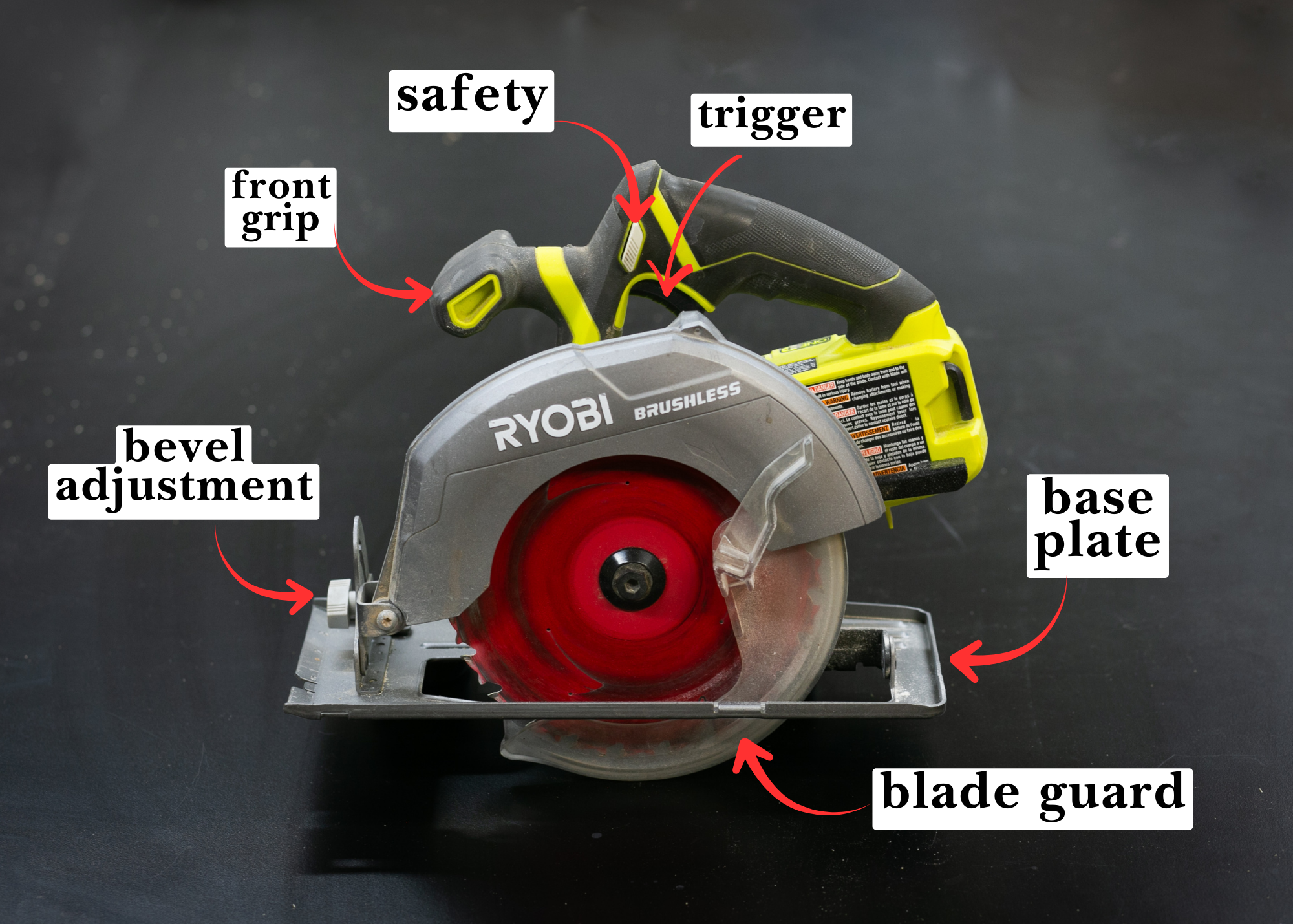
Understanding the basic parts of a circular saw helps you operate it with more confidence and safety:
Blade: The spinning disc that does the cutting. Blades come in different tooth counts depending on the material and finish you want.
Blade Guard: Covers the blade for safety. It automatically retracts when cutting.
Base Plate (Shoe): Rests on the wood and keeps your cut level.
Bevel Adjustment: Tilts the base plate to make bevel cuts (angled cuts through the thickness of the wood).
Depth Adjustment: Lets you control how deep the blade cuts.
Trigger & Safety Switch: Powers the saw on and off. Safety switch must engage before the trigger will work.
Rip Fence or Edge Guide (optional): Helps make long, straight cuts by keeping your saw parallel to the wood edge.
Safety First: Circular Saw Safety Tips for DIYers
Circular saws are powerful tools. Respecting the tool is the first step to using it confidently:
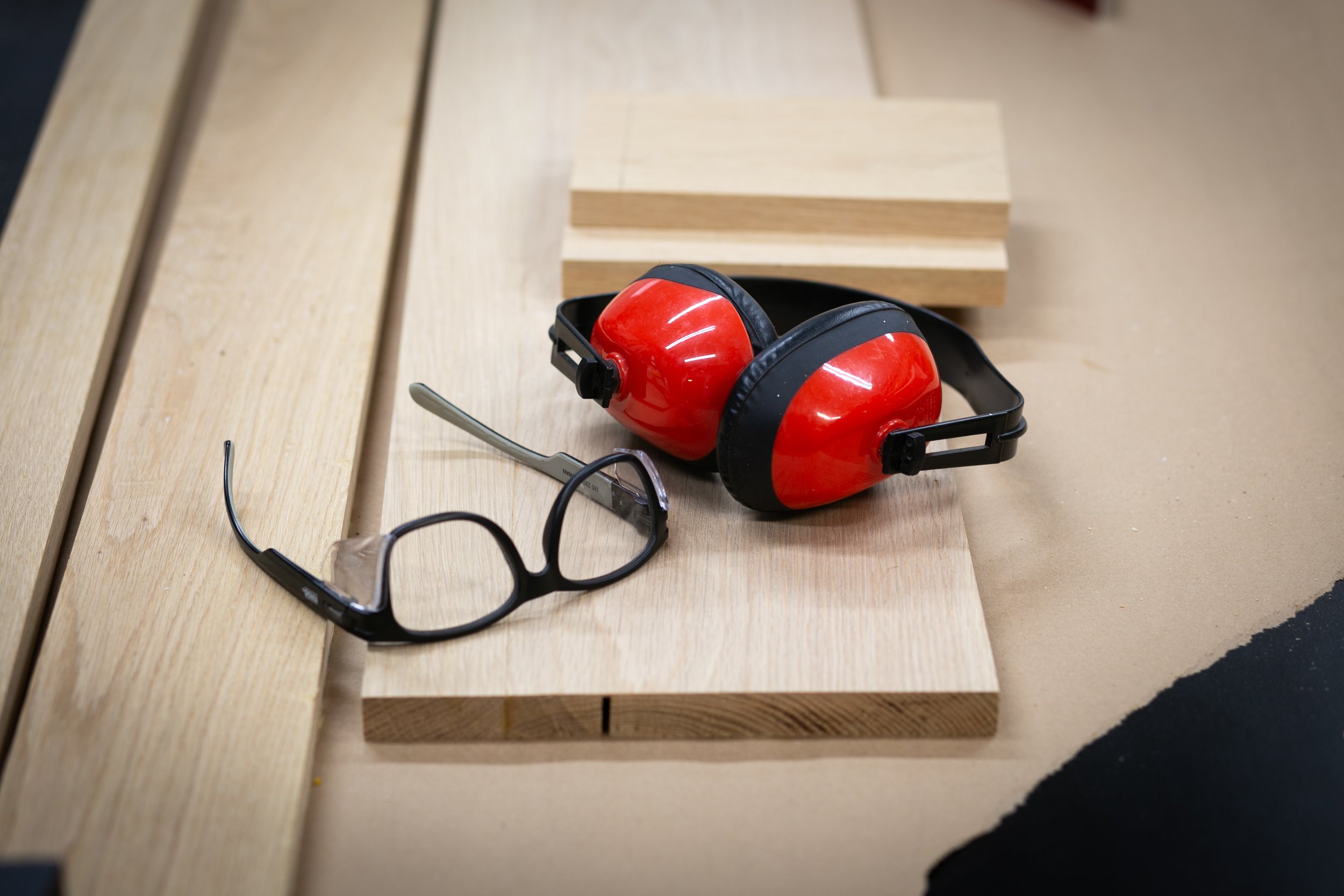
Always wear safety glasses and hearing protection.
Keep fingers well away from the blade — use clamps to secure the workpiece instead of your hands.
Let the blade come to a full stop before setting the saw down.
Never disable or remove the blade guard.
Double-check that your blade is tight and spinning in the correct direction.
How to Make Straight Cuts with a Circular Saw
There are a few ways to make sure your cuts are straight:
1. Use a Saw Guide or Edge Guide
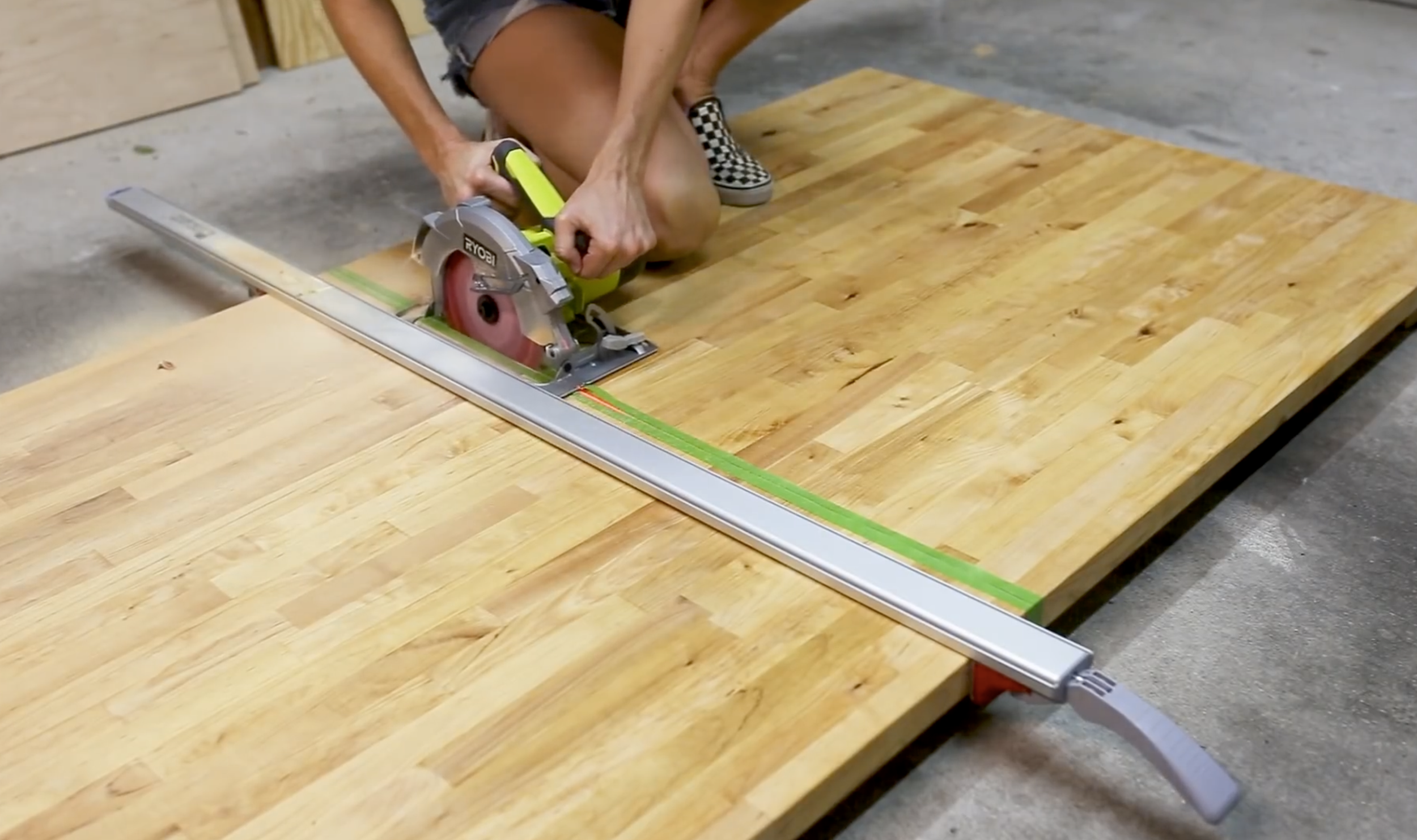
Clamp a straightedge (like a level or guide rail) to your board. Run the edge of your circular saw’s base plate against the guide as you cut. Some great store bought options include the Kreg Rip Guide, the Kreg Accu Cut or a straight edge clamp.
2. Use a Speed Square for Quick Cuts
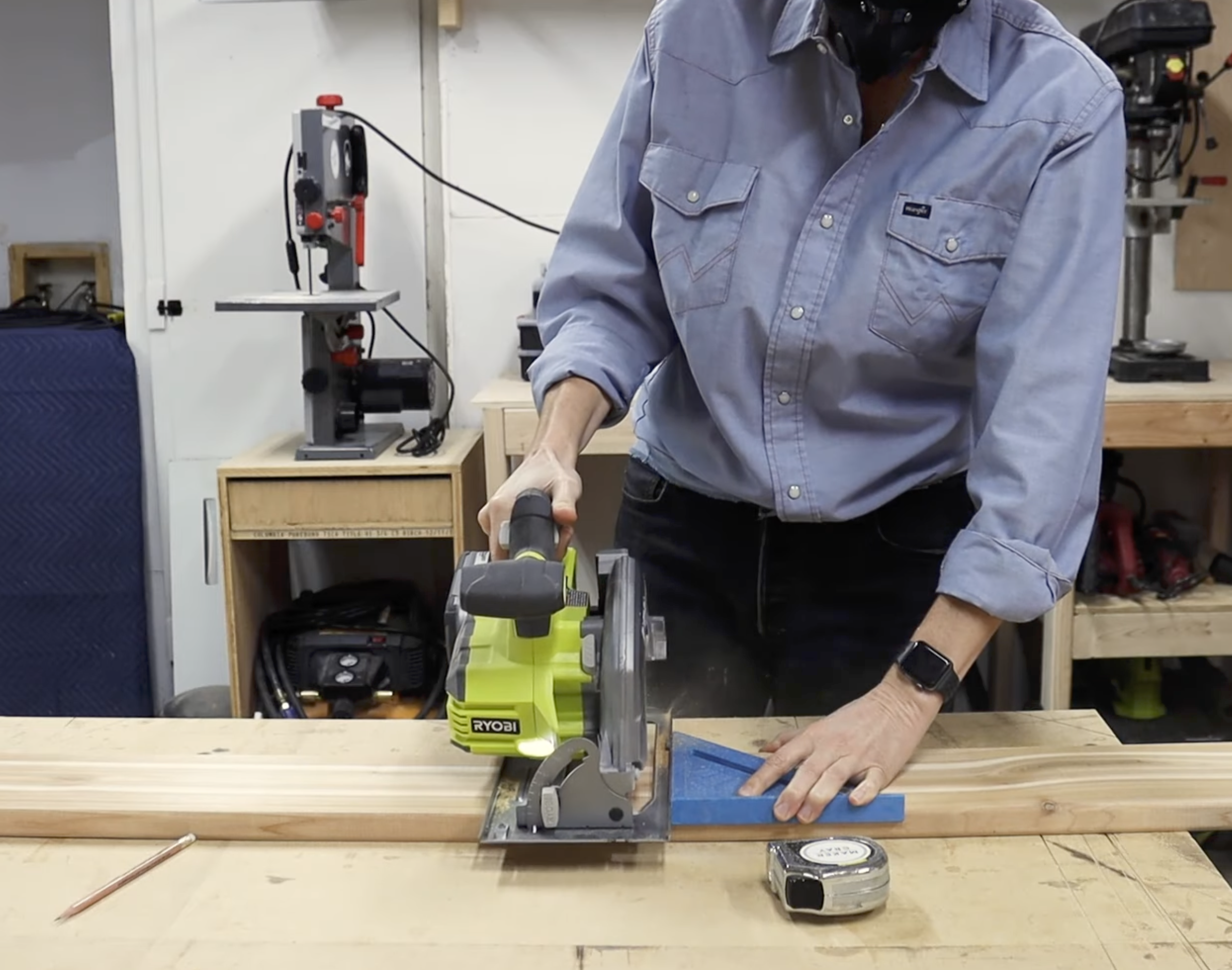
For shorter cross cuts (especially on 2x4s), place a speed square along the edge of the board and run the saw’s base against it. It acts as a quick and easy guide for fast, straight cuts.
3. Make Your Own Cutting Jig
You can build a DIY cutting jig (also called a track guide) with a strip of plywood to help your saw stay straight. These are great for long plywood cuts.
4. Go Slow and Steady
Let the saw do the work. Don’t force it. Keep steady pressure and focus on staying aligned with your line.
Making Bevel Cuts
A bevel cut is an angled cut made through the thickness of the board. To do this with a circular saw:
Adjust the bevel lever on your saw to tilt the saw to the desired angle (usually 45°).
Re-check your cut line and clamp the board securely.
Go slow — bevel cuts expose more blade and can be tricky without support.
Tips for Best Results (Especially for Beginners)
Use a fine-tooth blade for cleaner cuts on plywood or finish-grade wood.
If cutting plywood, place the good side down to reduce tearout (the blade cuts upward).
Score your cut line first with a utility knife to minimize splintering.
Replace dull blades — a fresh blade makes a huge difference.
Circular Saw FAQs for Beginners
Can I use a circular saw to cut plywood?
Absolutely. In fact, it’s one of the best tools for breaking down large plywood sheets. Just use a sharp blade and a straight edge guide.
Do I need a guide to use a circular saw?
You can freehand cut, but for beginners, a guide will help get better accuracy and avoid wasting material.
What’s the difference between a circular saw and a miter saw?
A circular saw is handheld and portable, while a miter saw is stationary and more precise for angled cuts.
Projects You Can Build with a Circular Saw
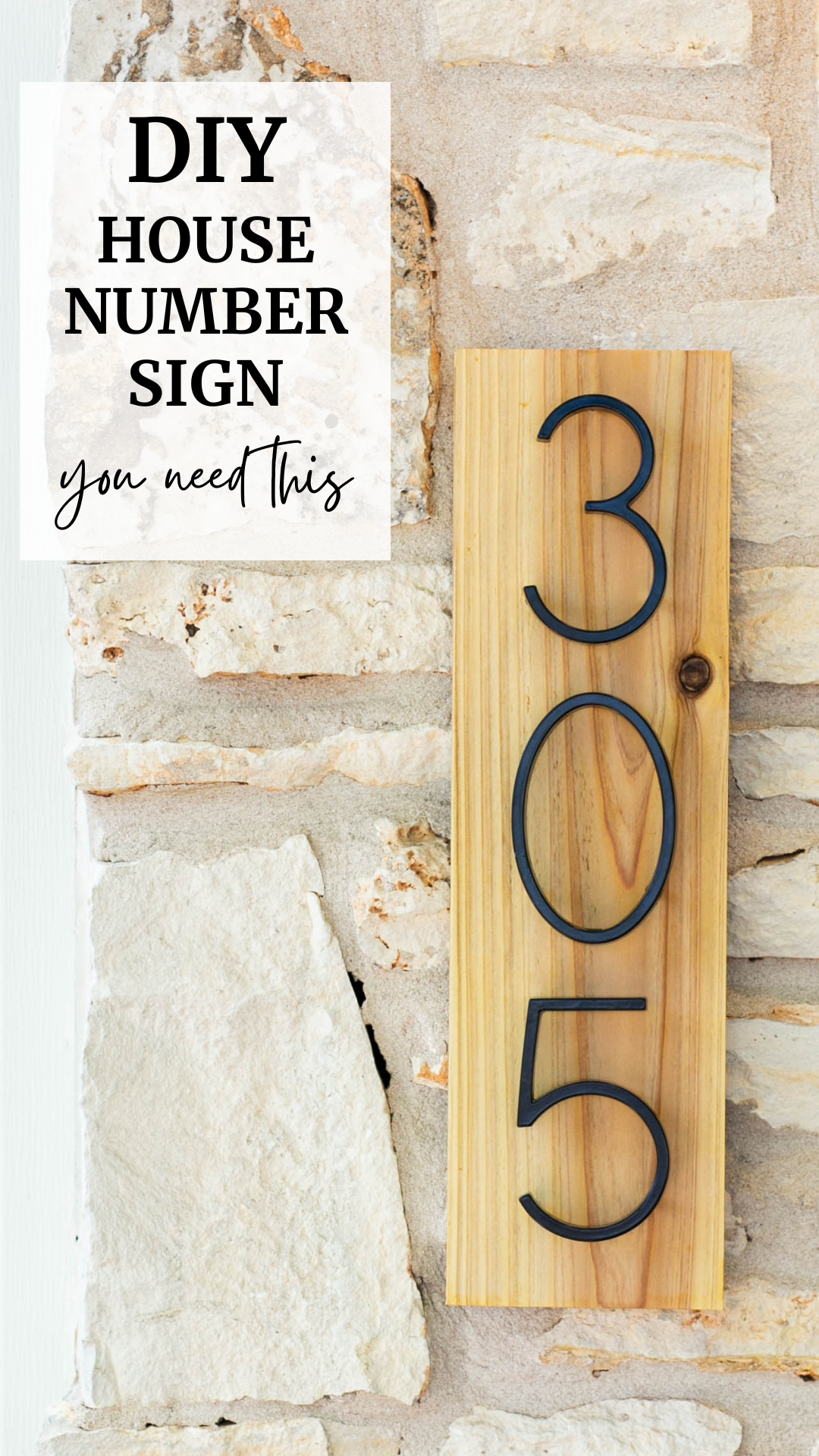
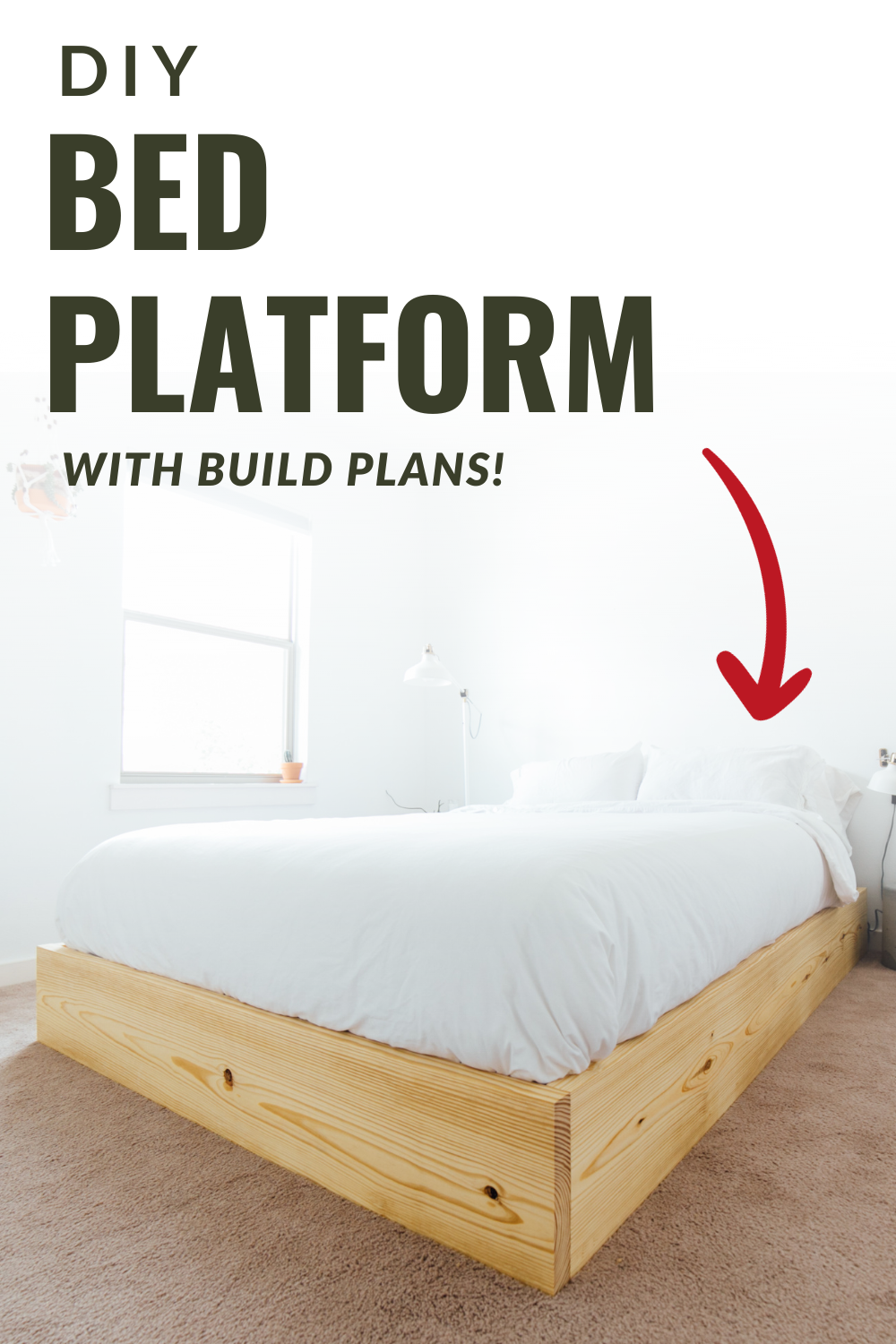
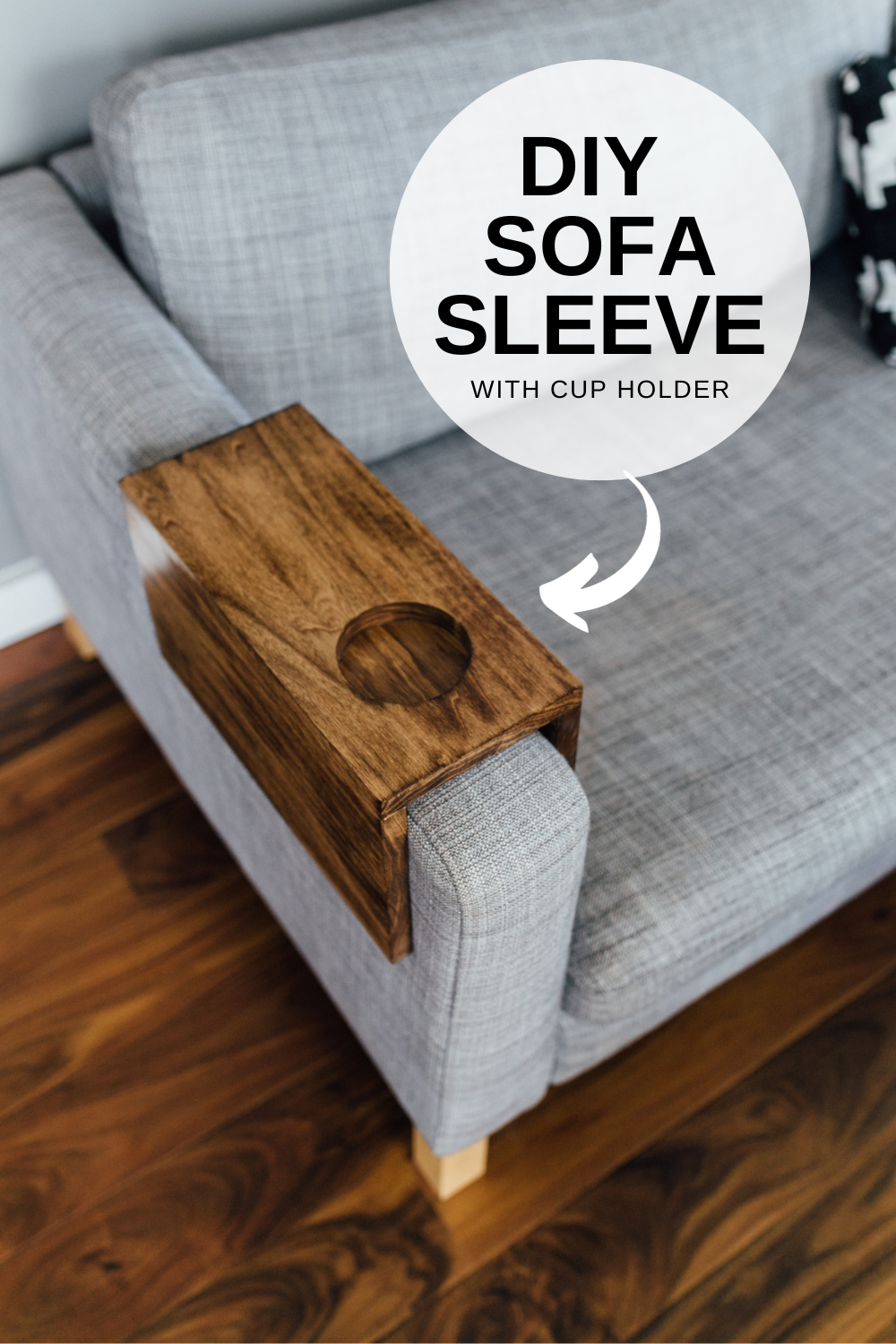
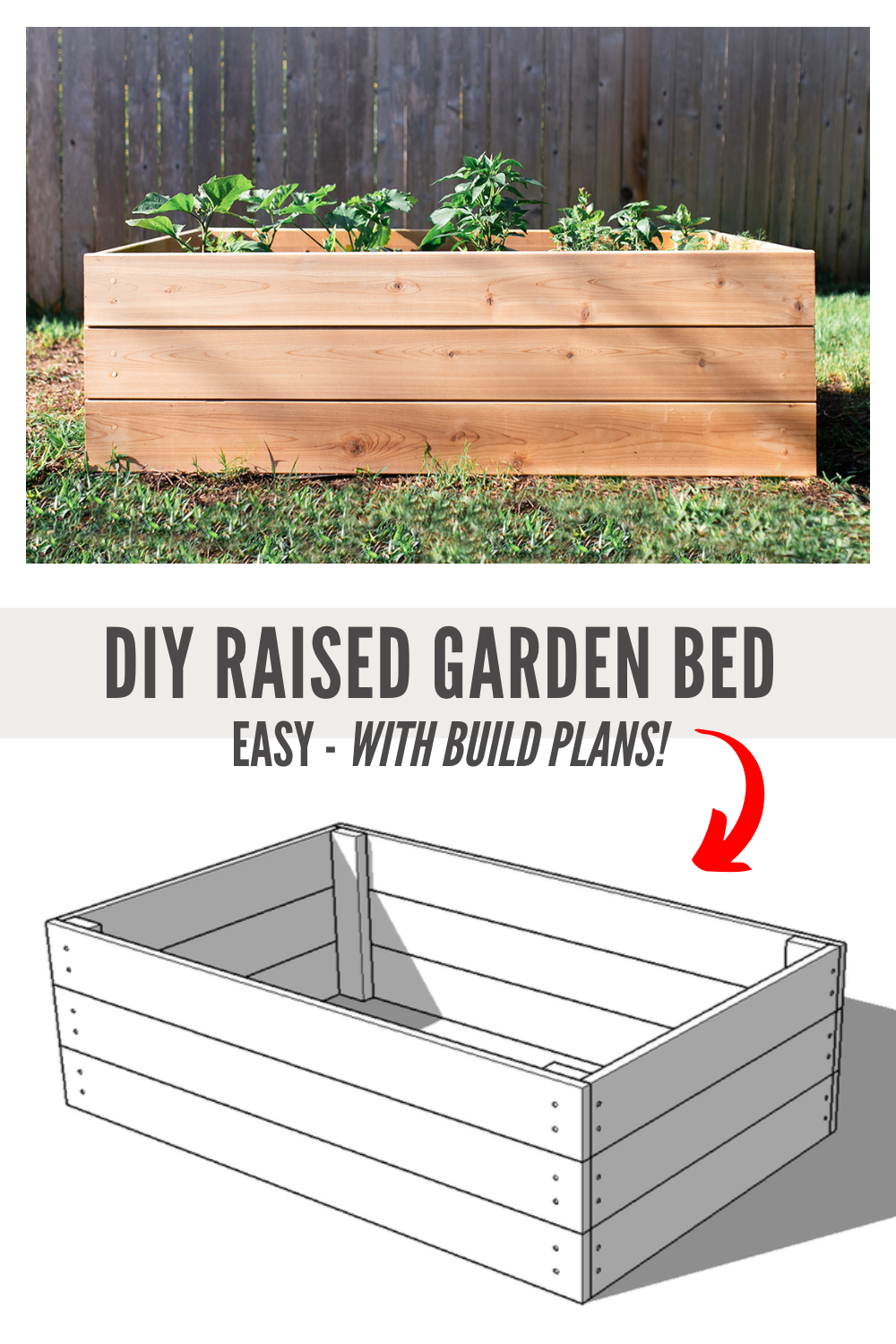
Want to practice your skills? Here are a few of my beginner-friendly DIY projects that can easily be made using a circular saw:
Final Thoughts
Learning how to use a circular saw is one of the best first steps into woodworking or home improvement. It's incredibly useful, and once you're familiar with how it works, you’ll reach for it often. Start with some simple projects, take your time, and keep safety top of mind.
For more beginner-friendly tool guides, check out:
You've got this!
Follow Maker Gray:
Instagram @MakerGray https://www.instagram.com/makergray/
Facebook https://www.facebook.com/MakerGray/
TikTok: https://bit.ly/3lXgdHh
If you liked this project and want to stay up to date with what I’m building, be sure to sign up for my newsletter and you’ll get an email sharing new DIY projects!
This post includes affiliate links. As an Amazon Associate, I earn from qualifying purchases. If you choose to shop through one of my links, it helps support Maker Gray — and I truly appreciate that!